General Mills

Brand & Content Operating Systems

Brand & Content Operating Systems

General Mills Social System

General Mills Social System

Enterprise-scale always-on social for General Mills, built as a repeatable design system rather than a collection of isolated posts. The work created a modular visual and motion system that could scale across brands, channels, formats, and recurring content needs while staying brand-correct and platform-native.

Role •

Creative Director

Year •

2023

The Problem

General Mills needed social output that could move at the speed and volume of always-on publishing without losing coherence.

The challenge was not simply to make more content. It was to create a system that could support multiple brands, recurring formats, different channel behaviors, and shifting priorities while still preserving brand craft.

Without a clear operating structure, social work can fragment quickly: different formats, different stakeholders, different timelines, and different production needs all pulling the brand in slightly different directions.

The problem was repeatability. The work needed to give teams enough structure to move quickly while leaving enough flexibility for recipes, tips, seasonal moments, product stories, and trend-responsive content.

The Idea

Build a modular social design system for enterprise-scale publishing.

The system treated social as a repeatable creative operation: visual rules, motion behaviors, template families, format logic, and craft standards that could hold up across channels and production cycles.

Betty Crocker was the primary expression shown, with additional support across Pillsbury, Old El Paso, Annie’s Homegrown, and Ratio Foods.

The goal was not to make every post look the same. It was to create enough shared grammar that the work could remain recognizable, useful, and platform-native at volume.

The Execution

The work turned recurring content needs into a modular system that could support recipes, tips, seasonal moments, product stories, and platform-specific adaptations.

Visual Grammar

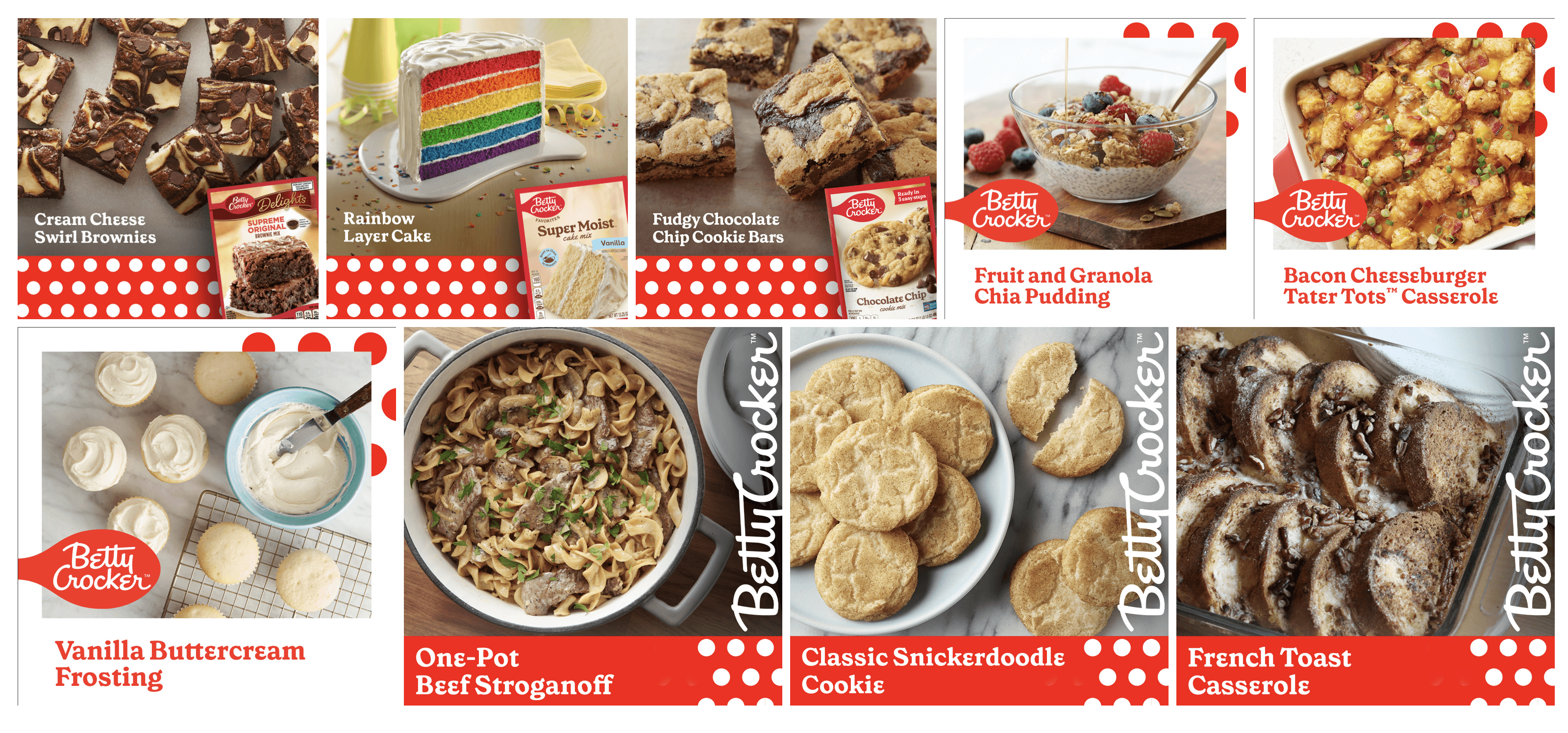
A social-first design language defined type, layout, motion behavior, photography treatment, illustration, product integration, and CTA patterns so recurring content could stay recognizable across formats.

Craft System

The system extended into end cards, supers, lower thirds, pack shots, platform cutdowns, and final-delivery standards so small production details did not erode brand coherence.

Repeatable Formats

Template families supported recipes, tips, seasonal posts, product stories, and trend-responsive content without forcing every execution into the same layout.

Multi-Format Production

Master compositions were planned for 16:9 capture, then adapted into 1:1, 4:5, and 9:16 placements for social feeds, stories, Pinterest, email, web, and banners.

Visual Grammar

A social-first design language defined type, layout, motion behavior, photography treatment, illustration, product integration, and CTA patterns so recurring content could stay recognizable across formats.

Multi-Format Production

Master compositions were planned for 16:9 capture, then adapted into 1:1, 4:5, and 9:16 placements for social feeds, stories, Pinterest, email, web, and banners.

Repeatable Formats

Template families supported recipes, tips, seasonal posts, product stories, and trend-responsive content without forcing every execution into the same layout.

Craft System

The system extended into end cards, supers, lower thirds, pack shots, platform cutdowns, and final-delivery standards so small production details did not erode brand coherence.

Visual Grammar

A social-first design language defined type, layout, motion behavior, photography treatment, illustration, product integration, and CTA patterns so recurring content could stay recognizable across formats.

Repeatable Formats

Template families supported recipes, tips, seasonal posts, product stories, and trend-responsive content without forcing every execution into the same layout.

Multi-Format Production

Master compositions were planned for 16:9 capture, then adapted into 1:1, 4:5, and 9:16 placements for social feeds, stories, Pinterest, email, web, and banners.

Craft System

The system extended into end cards, supers, lower thirds, pack shots, platform cutdowns, and final-delivery standards so small production details did not erode brand coherence.

Systems In Use

The work turned always-on social into a repeatable brand system: structured enough to protect coherence, flexible enough to support different brands, formats, and publishing needs.

Social Posts

Feed-based recipes, tips, product moments, and seasonal content used repeatable layouts to keep high-volume publishing consistent.
Stories & Mobile Formats

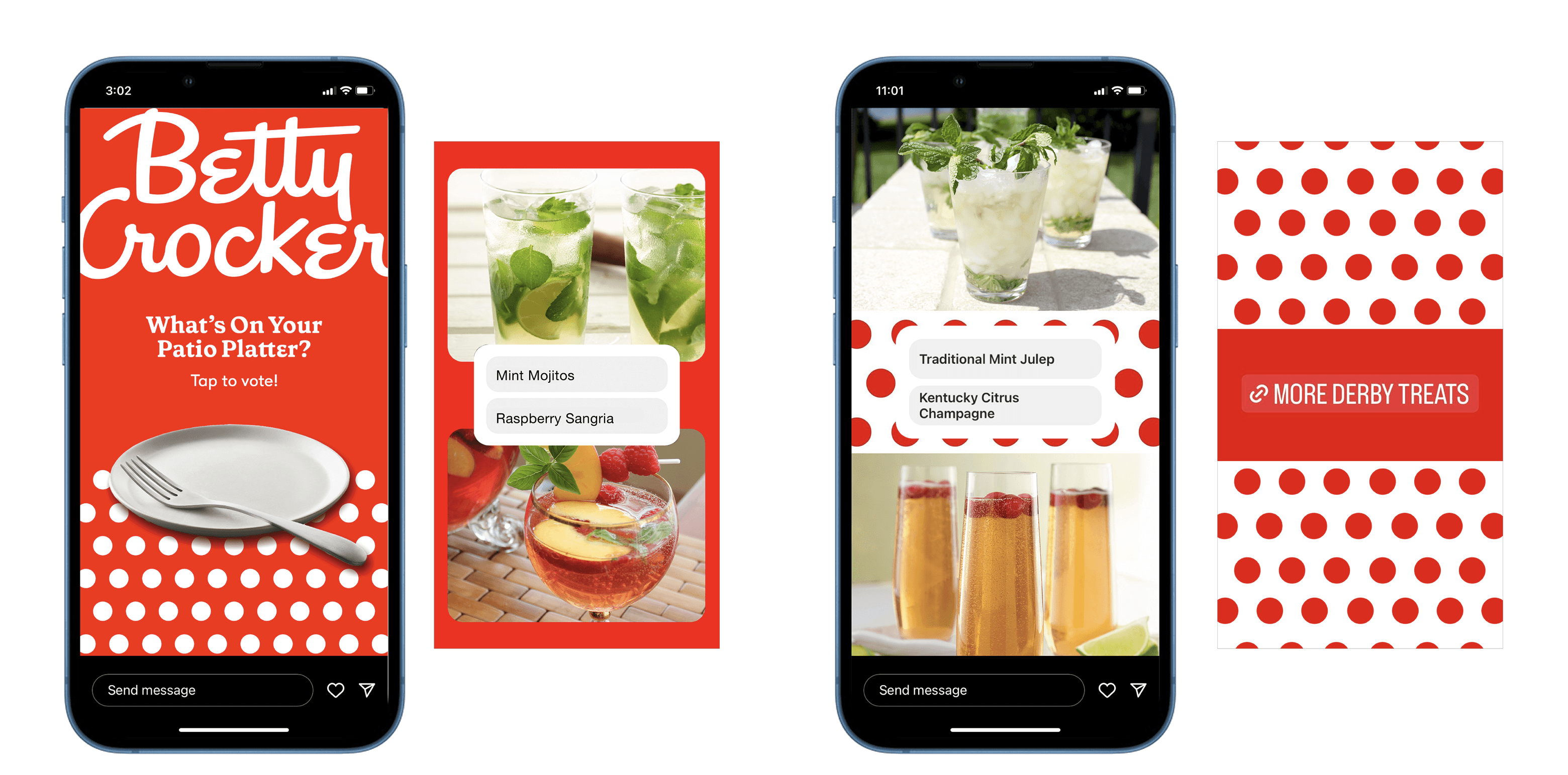
Story templates and profile surfaces gave the system recognizable behavior in mobile-first environments.

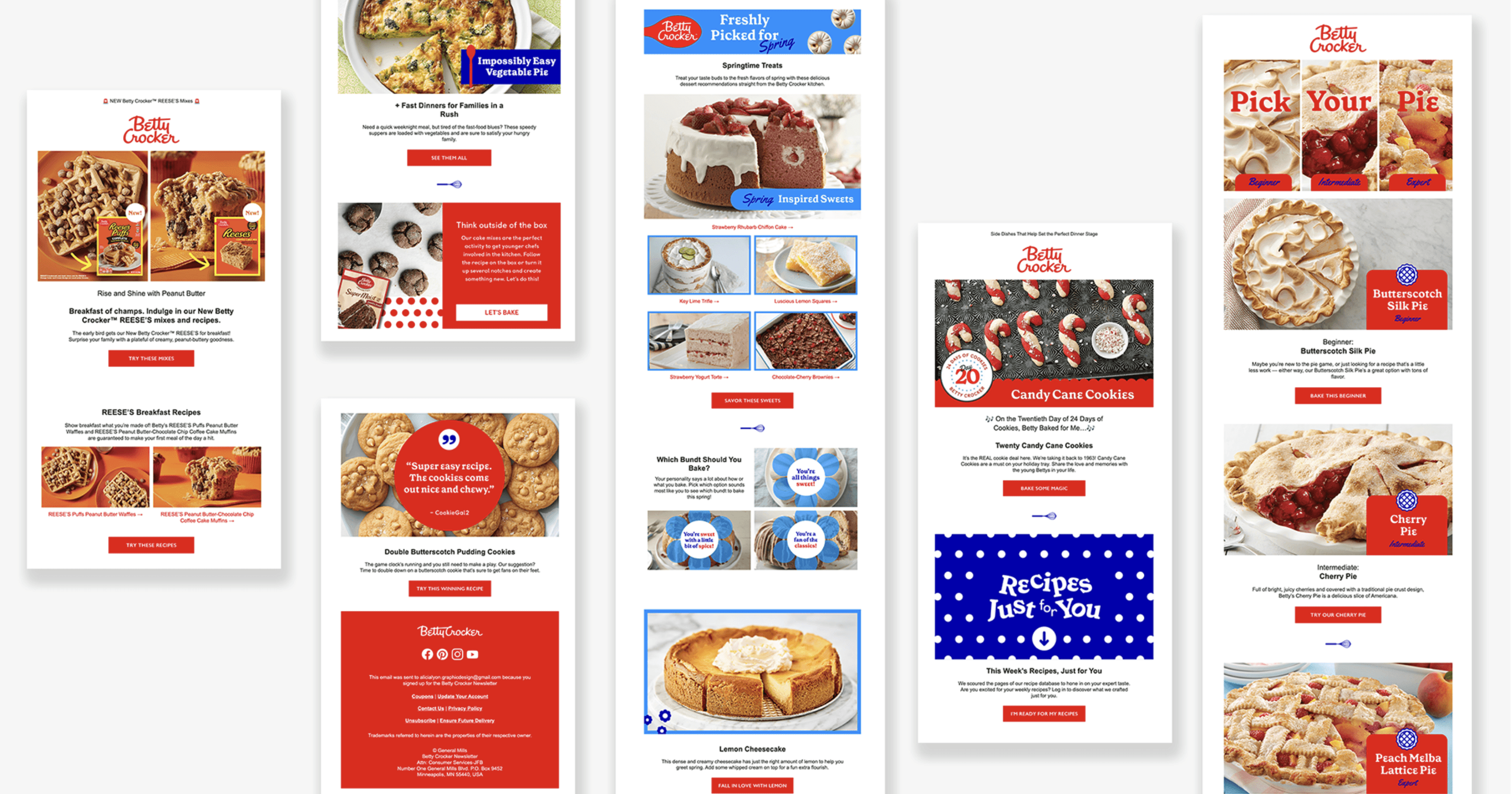
Email & Display

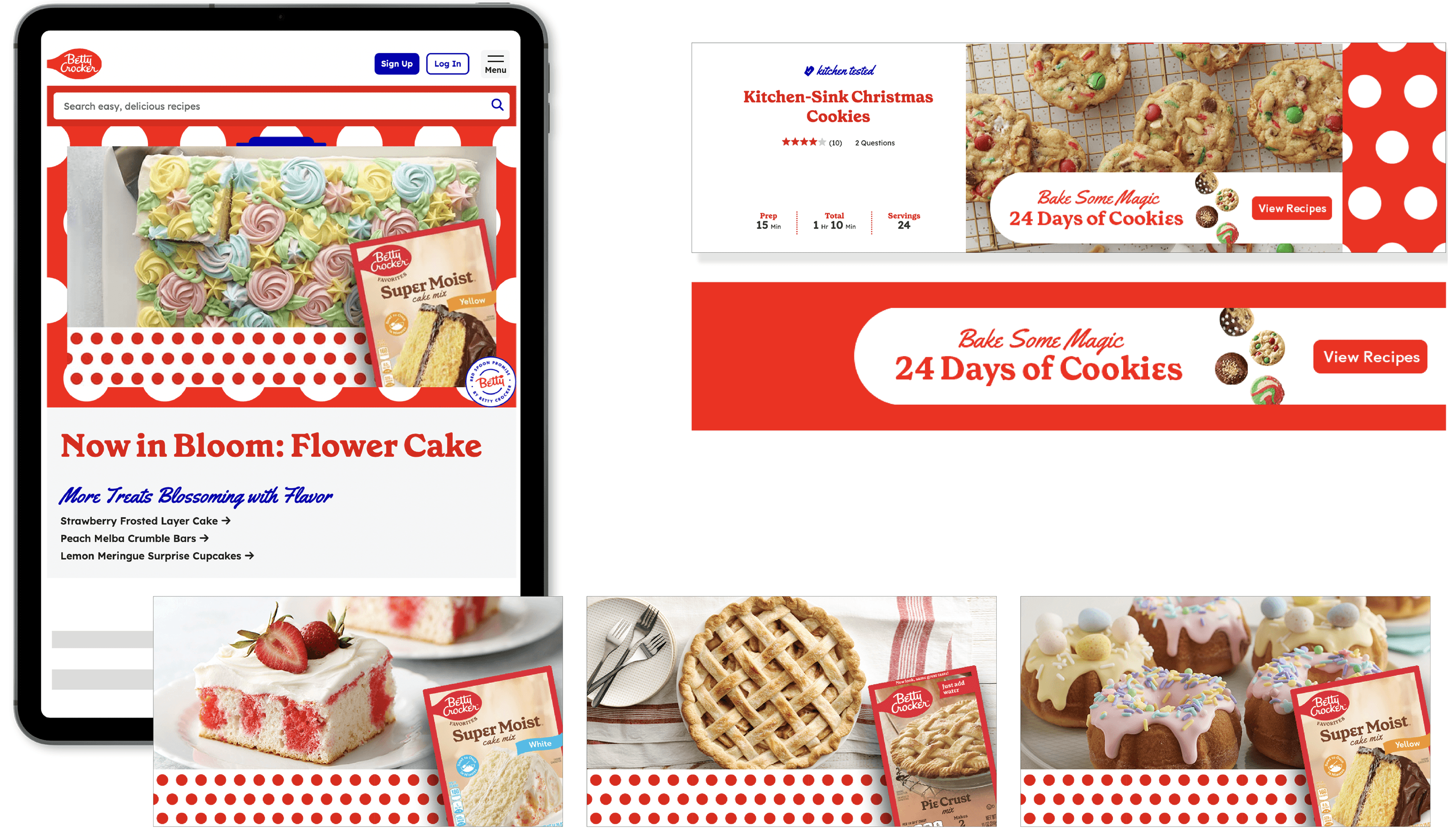
Email and banner executions carried the same visual grammar into retention and conversion surfaces.

Web & Recipe Surfaces

The system extended into recipe pages, web modules, seasonal landing contexts, and digital product moments.

Pinterest System

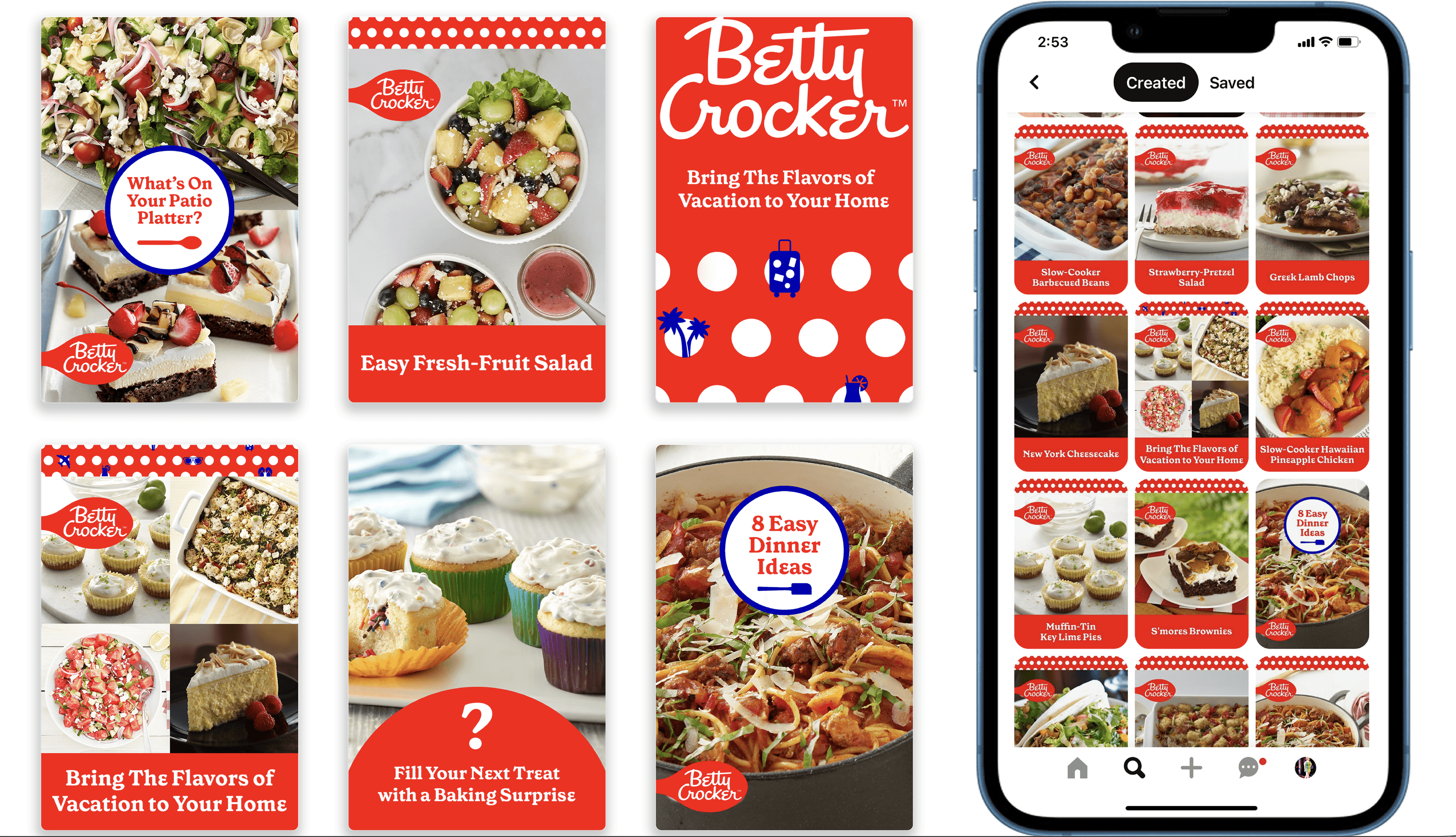
Pinterest layouts turned recipes and seasonal inspiration into organized, scrollable discovery surfaces built for saving, browsing, and repeat use.

Stories & Mobile Formats

Story templates and profile surfaces gave the system recognizable behavior in mobile-first environments.

Web & Recipe Surfaces

The system extended into recipe pages, web modules, seasonal landing contexts, and digital product moments.

Email & Display

Email and banner executions carried the same visual grammar into retention and conversion surfaces.

Pinterest System

Pinterest layouts turned recipes and seasonal inspiration into organized, scrollable discovery surfaces built for saving, browsing, and repeat use.

Constraints Navigated

The work turned always-on social into a repeatable brand system: structured enough to protect coherence, flexible enough to support different brands, formats, and publishing needs.

Enterprise Volume

The work had to support always-on publishing across a high-volume content calendar without becoming a stream of disconnected one-off posts.

Approval Pressure

The work had to protect craft while moving through multiple stakeholders, compressed timelines, versioning needs, and production handoffs.

Multi-Brand Coherence

The system needed to serve Betty Crocker as the primary expression while also flexing across Pillsbury, Old El Paso, Annie’s Homegrown, and Ratio Foods.

Platform Behavior

Each piece had to adapt across different aspect ratios, placements, usage contexts, and channel expectations without losing the core brand system.

Enterprise Volume

The work had to support always-on publishing across a high-volume content calendar without becoming a stream of disconnected one-off posts.

Platform Behavior

Each piece had to adapt across different aspect ratios, placements, usage contexts, and channel expectations without losing the core brand system.

Multi-Brand Coherence

The system needed to serve Betty Crocker as the primary expression while also flexing across Pillsbury, Old El Paso, Annie’s Homegrown, and Ratio Foods.

Approval Pressure

The work had to protect craft while moving through multiple stakeholders, compressed timelines, versioning needs, and production handoffs.

Enterprise Volume

The work had to support always-on publishing across a high-volume content calendar without becoming a stream of disconnected one-off posts.

Multi-Brand Coherence

The system needed to serve Betty Crocker as the primary expression while also flexing across Pillsbury, Old El Paso, Annie’s Homegrown, and Ratio Foods.

Platform Behavior

Each piece had to adapt across different aspect ratios, placements, usage contexts, and channel expectations without losing the core brand system.

Approval Pressure

The work had to protect craft while moving through multiple stakeholders, compressed timelines, versioning needs, and production handoffs.

The Results

The proof was operational rather than award-based: a repeatable social system that helped keep output coherent at volume.

The work demonstrated how enterprise social can move beyond disconnected posts into a managed creative operating system: consistent enough to protect the brand, flexible enough to serve different content needs, and structured enough to reduce churn across production and approval cycles.

What It Demonstrates Now

This case shows the shift from creative execution to creative systems leadership.

It demonstrates the ability to build operating logic around brand expression: rules, templates, workflows, approvals, and craft standards that help teams produce more without making the brand look different every week.

That is directly relevant to current work around adaptive communication, AI-enabled marketing systems, and institutional trust. As communication becomes faster and more distributed, the value is not only in making better assets. It is in defining the system that keeps output coherent, reviewable, and accountable.

Kris Layher

Creative leadership, strategic narrative, and trust-sensitive communication systems.